What working in Eagle is actually like
Eagle has the highest-value housing in the valley and, in the foothills above it, the most exposed position on the grid. Those two facts drive almost everything we do here. Large custom homes carry large connected loads — multiple HVAC zones, shops, pools, wine storage, sometimes a guest house — and they are frequently at the end of longer distribution runs on the north side of the city where the terrain rises.
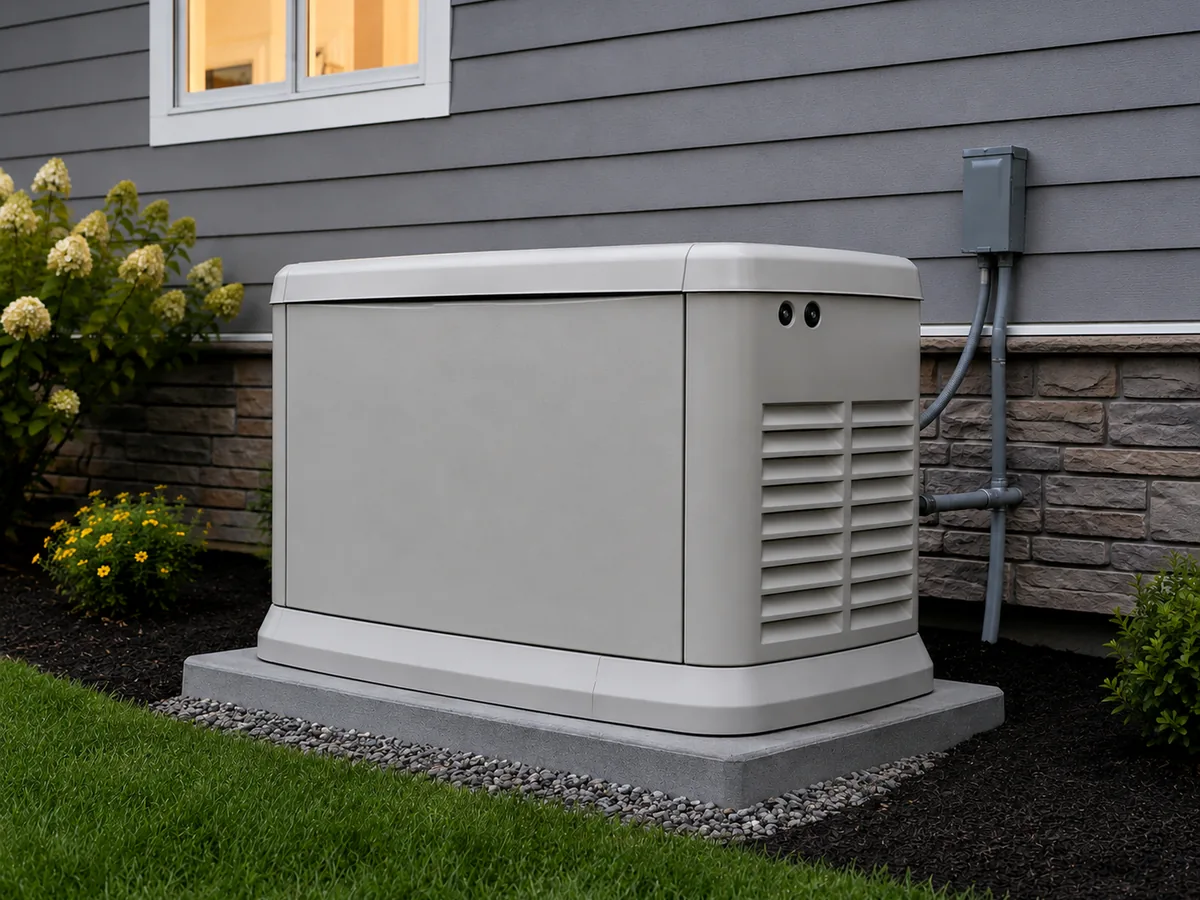
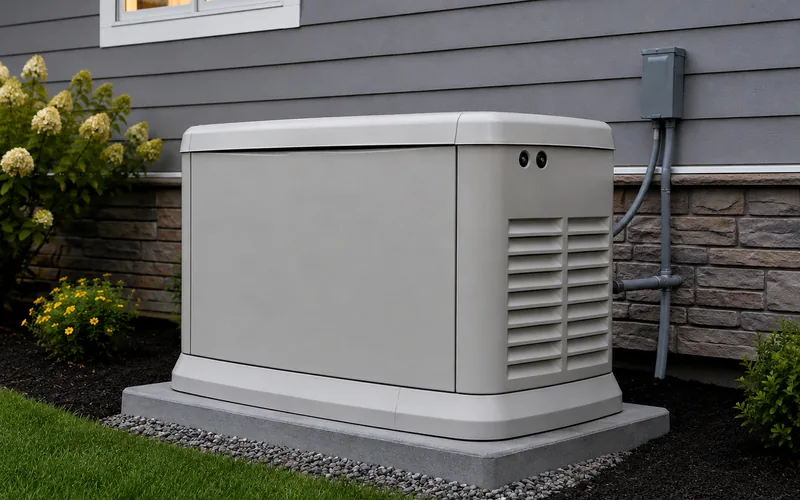
That puts a meaningful share of Eagle inside the wildfire risk zones Idaho Power has identified for Public Safety Power Shutoffs. When the utility de-energizes lines ahead of high wind and dry fuel, the Boise Foothills are named among the most likely areas, and shutoffs have run 8 to 16 hours. For a large home with multiple refrigeration loads, a well, and no alternative heat, that is a genuinely expensive day. Standby generation is the leading conversation in Eagle in a way it simply is not in Meridian, and the sizing question is harder because whole-house on a 5,000 square foot property with two or three condensers is a substantial machine.
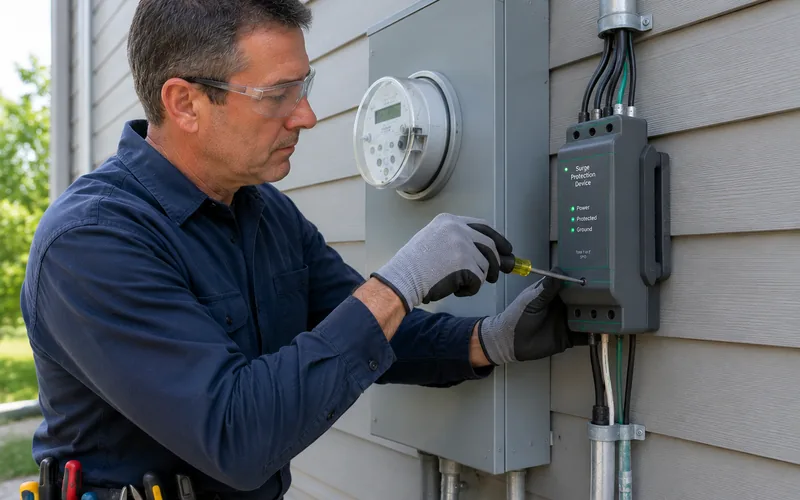
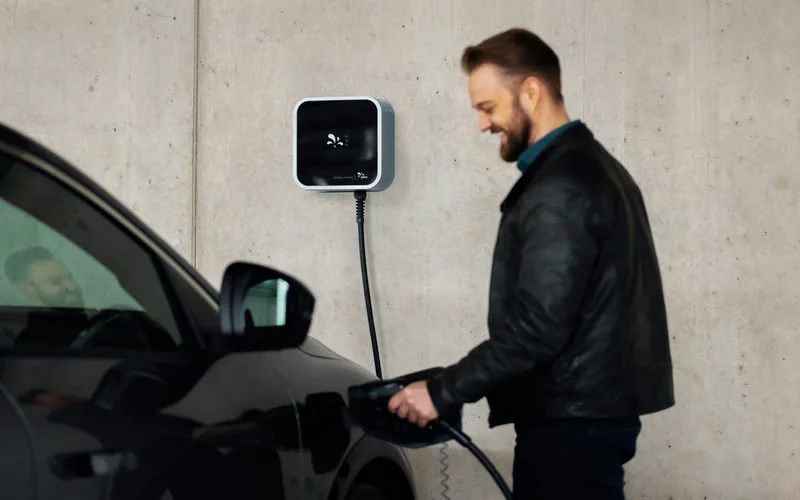
The other half of Eagle work is finish-driven. Architectural and landscape lighting, low-voltage control, wine room and pool equipment circuits, and EV charging for two or three vehicles in a detached or side-load garage — which is the long-run scenario that makes conduit sizing worth thinking about once rather than twice. This is also the part of the valley where surge protection earns its keep fastest, because the density of expensive controlled equipment per house is simply higher.